How Podiatrists Treat Painful Cracked Heels

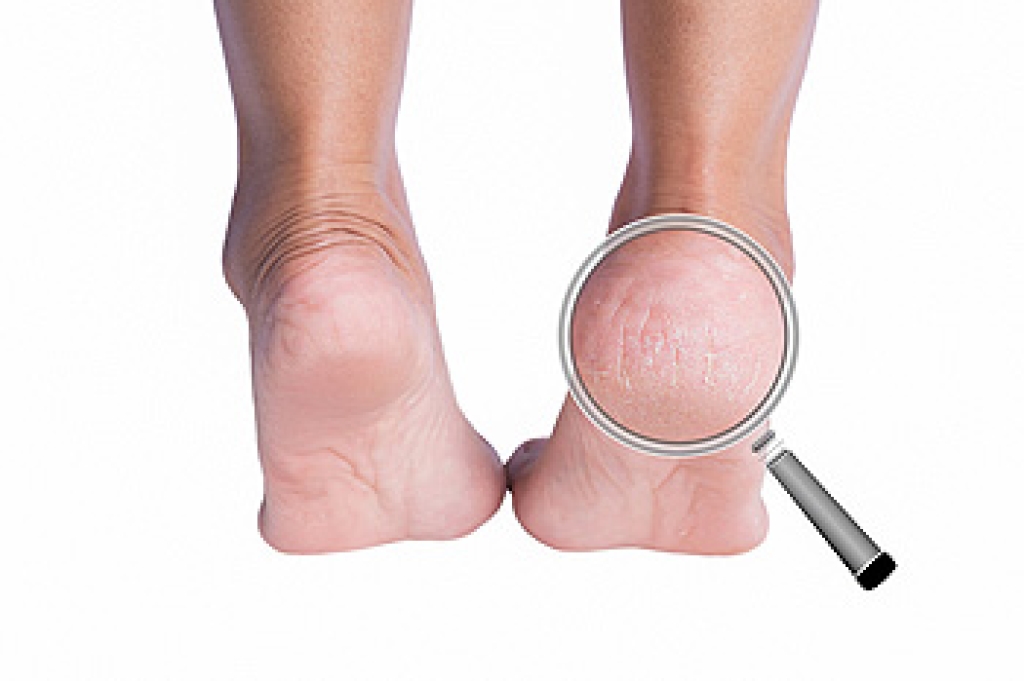
Cracked heels develop when the skin around the heel becomes very dry, thick, and less flexible. As the skin loses moisture, it can split and form painful cracks. These cracks can become deeper when pressure is placed on the heel while walking or standing. Dry weather can contribute to cracked skin, but other factors can also play a role. Open-heeled shoes, shoes that do not fit properly, and certain health conditions can increase the risk. Severe cracks can become sore and allow germs to enter the skin. A podiatrist can examine the heels and determine why the skin is cracking.

A podiatrist can evaluate the condition of the skin and look for signs that the cracks are deeper or becoming irritated. Professional care can include removing thickened skin from the heel and recommending appropriate products to improve the skin’s condition. A podiatrist can also assess how pressure is placed on the heel when walking and determine whether foot structure or footwear is contributing to the problem. If cracked heels are linked to an underlying health condition, the podiatrist can consider that factor when developing a treatment plan. Severe or persistent cracks deserve professional attention because damaged skin can be more vulnerable to infection.

Cracked heels can cause pain, tenderness, and difficulty walking when the splits become deep. A podiatrist can monitor the affected skin and help manage problems that interfere with normal foot function. Professional treatment can also focus on protecting the heel while the skin heals and addressing factors that contribute to repeated cracking. Patients with severe cracks or symptoms that do not improve should have the area evaluated. A podiatrist can determine whether additional treatment is appropriate and check for signs of infection or another condition affecting the skin. If you have symptoms of cracked heels, it is suggested that you make an appointment with a podiatrist for diagnosis and treatment.

Cracked heels are unsightly and can cause further damage to your shoes and feet. If you have any concerns, contact one of our doctors from The Ankle and Foot Clinic of Northern Virginia, PLLC. Our doctors can provide the care you need to keep you pain-free and on your feet.

Cracked Heels

Cracked heels appear unappealing and can make it harder for you walk around in sandals. Aside from looking unpleasant, cracked heels can also tear stockings, socks, and wear out your shoes. There are several methods to help restore a cracked heel and prevent further damage.

How Do You Get Them?

Dry skin is the number one culprit in creating cracked heels. Many athletes, walkers, joggers, and even swimmers suffer from cracked heels. Age and skin oil production play a role to getting cracked heels as well.

Promote Healing

Over the counter medicines can help, especially for those that need instant relief or who suffer from chronic dry feet.

Wear Socks – Wearing socks with medicated creams helps lock in moisture.

Moisturizers – Applying both day and night will help alleviate dryness which causes cracking.

Pumice Stones – These exfoliate and remove dead skin, which allows for smoother moisturizer application and better absorption into the skin. 

Change in Diet

Eating healthy with a well-balanced diet will give the skin a fresh and radiant look. Your body responds to the kinds of food you ingest. Omega-3 fatty acids and zinc supplements can also revitalize skin tissue.

Most importantly, seek professional help if unsure how to proceed in treating cracked heels. A podiatrist will help you with any questions or information needed. 

If you have any questions, please feel free to contact our office located in Gainesville, VA . We offer the newest diagnostic and treatment technologies for all your foot care needs.


Read more about Solutions for Cracked Heels

Tarsal Tunnel Syndrome and Its Warning Signs

Tarsal tunnel syndrome is a nerve condition that develops when the tibial nerve becomes compressed as it passes through the tarsal tunnel near the inside of the ankle. This narrow passage contains nerves, blood vessels, and tendons. When pressure affects the tibial nerve, discomfort can travel through the ankle and into the foot. Understanding this condition can help you recognize symptoms early and seek care before nerve irritation becomes persistent.

Common symptoms include burning pain around the inner ankle, tingling in the sole, and numbness in the foot. Some people notice shooting discomfort that becomes stronger after standing or walking for long periods of time. Symptoms may also feel worse at night or after strenuous activity. Risk factors include flat feet, ankle injuries, and arthritis. Diabetes and repetitive stress may also increase vulnerability to nerve compression.


Several causes can contribute to tarsal tunnel syndrome. An ankle sprain may create swelling that places pressure on the tibial nerve. A cyst, bone spur, or other growth can narrow the tunnel. Abnormal foot mechanics may also increase strain along the nerve. A podiatrist begins treatment by reviewing your symptoms and medical history. The examination may assess foot structure, sensation, strength, and nerve function. Diagnostic testing may be recommended when needed to identify nerve compression or another source.


Treatment depends on the cause and severity of symptoms. A podiatrist may recommend activity changes, wearing supportive footwear, or custom orthotics. Medication may reduce irritation and pressure. In selected cases, injections may help control inflammation, while surgery can release the compressed nerve when conservative care does not provide relief. Early evaluation can improve the opportunity for treatment and protect nerve function. Prompt care supports lasting comfort. If you have symptoms of tarsal tunnel syndrome, it is suggested that you consult a podiatrist who can accurately diagnose and treat this condition. 

Tarsal tunnel syndrome can be very uncomfortable to live with. If you are experiencing tarsal tunnel syndrome, contact one of our doctors of The Ankle and Foot Clinic of Northern Virginia, PLLC. Our doctors can provide the care you need to keep you pain-free and on your feet.

Tarsal Tunnel Syndrome

Tarsal tunnel syndrome, which can also be called tibial nerve dysfunction, is an uncommon condition of misfiring peripheral nerves in the foot. The tibial nerve is the peripheral nerve in the leg responsible for sensation and movement of the foot and calf muscles. In tarsal tunnel syndrome, the tibial nerve is damaged, causing problems with movement and feeling in the foot of the affected leg.

Common Cause of Tarsal Tunnel Syndrome

  • Involves pressure or an injury, direct pressure on the tibial nerve for an extended period of time, sometimes caused by other body structures close by or near the knee.
  • Diseases that damage nerves, including diabetes, may cause tarsal tunnel syndrome.
  • At times, tarsal tunnel syndrome can appear without an obvious cause in some cases.

The Effects of Tarsal Tunnel Syndrome

  • Different sensations, an afflicted person may experience pain, tingling, burning or other unusual sensations in the foot of the affected leg.
  • The foot muscles, toes and ankle become weaker, and curling your toes or flexing your foot can become difficult.
  • If condition worsens, infections and ulcers may develop on the foot that is experiencing the syndrome.

A physical exam of the leg can help identify the presence of tarsal tunnel syndrome. Medical tests, such as a nerve biopsy, are also used to diagnose the condition. Patients may receive physical therapy and prescriptive medication. In extreme cases, some may require surgery.

If you have any questions please contact our office located in Gainesville, VA . We offer the newest diagnostic and treatment technologies for all your foot and ankle needs.

Read more about Treating Tarsal Tunnel Syndrome

Plantar Warts and Podiatric Treatment

Plantar warts are small growths that develop on the bottom of the feet and are caused by infection with the human papillomavirus, or HPV. These warts often appear as rough, thickened areas of skin on parts of the foot that bear weight, such as the heel or the ball of the foot. Plantar warts may have a grainy texture and sometimes contain small dark pinpoint spots within the lesion. Symptoms include localized tenderness, discomfort while walking, and pressure-related pain. Risk factors include walking barefoot in warm moist environments, such as locker rooms or public pool areas, minor skin breaks, and weakened skin protection. A podiatrist can diagnose plantar warts and provide safe targeted treatment. Plantar warts can be painful and may cause difficulty in completing daily activities. If you have developed this type of wart, it is suggested that you consult a podiatrist who can offer effective relief solutions.

Plantar warts can be very uncomfortable. If you need your feet checked, contact one of our doctors from The Ankle and Foot Clinic of Northern Virginia, PLLC. Our doctors will assist you with all of your foot and ankle needs.

About Plantar Warts

Plantar warts are the result of HPV, or human papillomavirus, getting into open wounds on the feet. They are mostly found on the heels or balls of the feet.

While plantar warts are generally harmless, those experiencing excessive pain or those suffering from diabetes or a compromised immune system require immediate medical care. Plantar warts are easily diagnosed, usually through scraping off a bit of rough skin or by getting a biopsy.

Symptoms

  • Lesions on the bottom of your feet, usually rough and grainy
  • Hard or thick callused spots
  • Wart seeds, which are small clotted blood vessels that look like little black spots
  • Pain, discomfort, or tenderness of your feet when walking or standing

Treatment

  • Freezing
  • Electric tool removal
  • Laser Treatment
  • Topical Creams (prescription only)
  • Over-the-counter medications

To help prevent developing plantar warts, avoid walking barefoot over abrasive surfaces that can cause cuts or wounds for HPV to get into. Avoiding direct contact with other warts, as well as not picking or rubbing existing warts, can help prevent the further spread of plantar warts. However, if you think you have developed plantar warts, speak to your podiatrist. He or she can diagnose the warts on your feet and recommend the appropriate treatment options.

If you have any questions, please feel free to contact our office located in Gainesville, VA . We offer the newest diagnostic and treatment technologies for all your foot care needs.

Read more about What Are Plantar Warts?

Signs of Athlete’s Foot and When to See a Podiatrist

Athlete’s foot is a fungal infection that affects the skin of the feet. The medical name is tinea pedis. The fungus grows well in warm, moist environments, including locker-room floors, public showers, and swimming-pool areas. It can also grow inside damp socks and shoes. Despite its name, athlete’s foot does not only affect athletes. Anyone can develop the infection. Feet that stay moist for long periods can create conditions that allow the fungus to grow and spread.

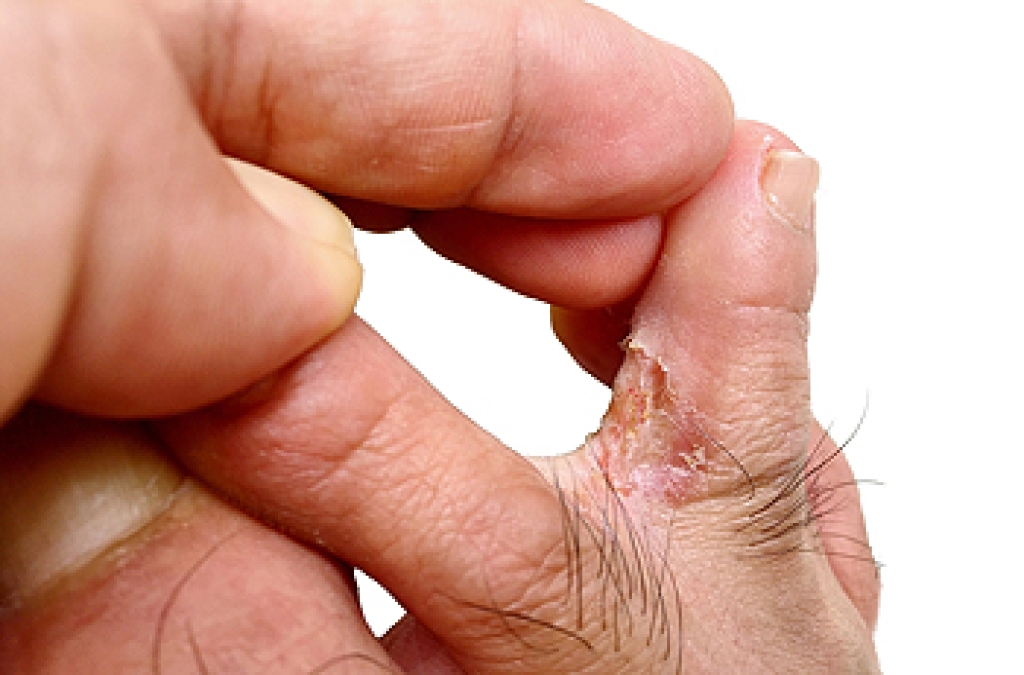
Symptoms can differ from one patient to another. Athlete’s foot can cause itching, burning, and scaling, but some infections do not itch. Skin between the toes can become white, cracked, or peeling. The bottoms or sides of the feet can also become red and dry. Blisters can develop in some cases. Athlete’s foot can spread beyond the feet, especially when a person scratches infected skin and then touches another part of the body. The fungus can also spread through clothing and bedding. Other skin conditions can resemble athlete’s foot, making an accurate diagnosis important.

A podiatrist can examine the affected skin and determine whether athlete’s foot or another condition is causing the symptoms. Treatment can include antifungal medication that targets the fungus responsible for the infection. More serious cases can require prescription medication. Severe athlete’s foot can lead to open sores and additional infection when it is not properly treated. A podiatrist can also explain ways to reduce the risk of repeated infections, especially for patients who frequently use gyms, pools, or shared showers. Getting the correct diagnosis helps ensure that a different skin condition is not treated as athlete’s foot. If you have symptoms of athlete’s foot, it is suggested that you schedule an appointment with a podiatrist for a diagnosis and appropriate treatment.

Athlete’s foot is an inconvenient condition that can be easily reduced with the proper treatment. If you have any concerns about your feet and ankles, contact one of our doctors from The Ankle and Foot Clinic of Northern Virginia, PLLC.  Our doctors will treat your foot and ankle needs.

Athlete’s Foot: The Sole Story

Athlete's foot, also known as tinea pedis, can be an extremely contagious foot infection. It is commonly contracted in public changing areas and bathrooms, dormitory style living quarters, around locker rooms and public swimming pools, or anywhere your feet often come into contact with other people.

Solutions to Combat Athlete’s Foot

  • Hydrate your feet by using lotion
  • Exfoliate
  • Buff off nails
  • Use of anti-fungal products
  • Examine your feet and visit your doctor if any suspicious blisters or cuts develop

Athlete’s foot can cause many irritating symptoms such as dry and flaking skin, itching, and redness. Some more severe symptoms can include bleeding and cracked skin, intense itching and burning, and even pain when walking. In the worst cases, Athlete’s foot can cause blistering as well. Speak to your podiatrist for a better understanding of the different causes of Athlete’s foot, as well as help in determining which treatment options are best for you.

If you have any questions please feel free to contact our office located in Gainesville, VA . We offer the newest diagnostic and treatment technologies for all your foot and ankle needs.

Read more about Athlete’s Foot
scroll to top